

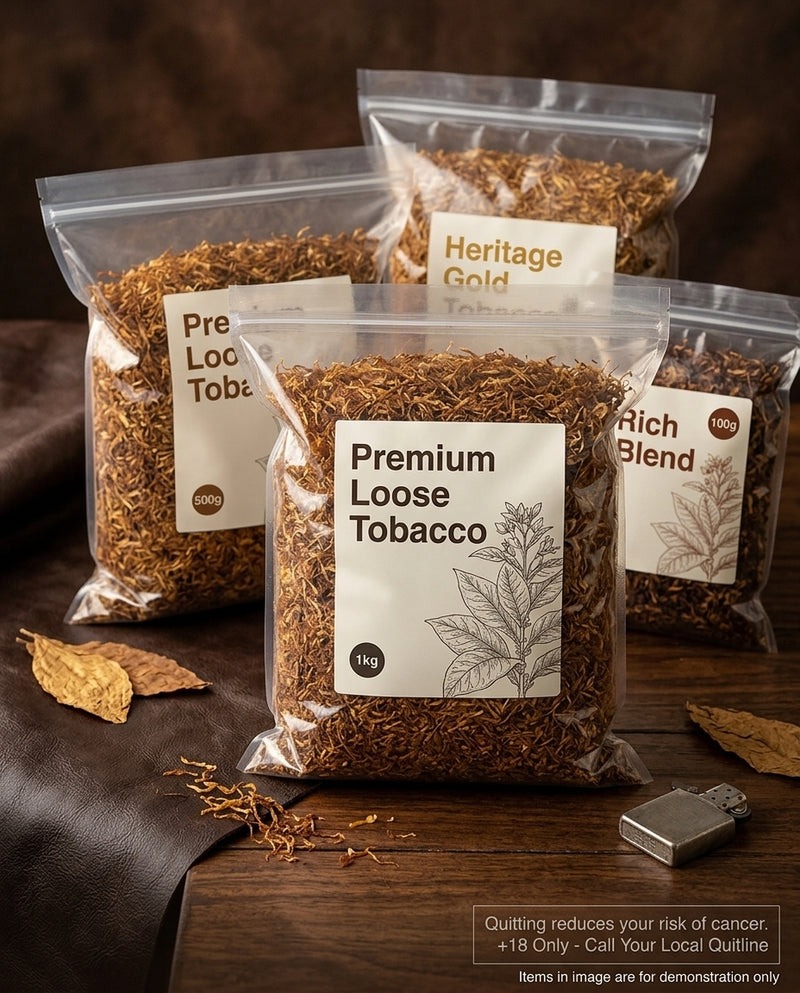
For adult consumers researching tobacco pricing, searches for super cheap cigarettes online often begin with a simple desire to understand why one advertised cigarette price can look dramatically different from another. The difference may relate to carton quantity, brand origin, tobacco duties, packaging requirements, or the source through which a product reaches the Australian market. Looking only at the displayed price can therefore provide an incomplete picture of what is actually being compared. Understanding these underlying factors makes tobacco price research more accurate and helps distinguish ordinary price differences from offers that may warrant additional scrutiny.
Australia has a highly regulated tobacco market in which taxation, import controls, packaging standards, advertising restrictions, and minimum age requirements influence how tobacco products are supplied. These requirements can affect manufactured cigarettes as well as loose and roll your own tobacco. Imported products can introduce additional considerations because customs duties and Australian product requirements may apply before they can be lawfully supplied. For that reason, an unusually low advertised price should be viewed within the wider regulatory and commercial context rather than considered solely as a discount.
Understanding super cheap cigarettes online Price Searches
A search for inexpensive cigarettes can produce results covering cartons, individual packets, imported brands, and different quantities of loose tobacco. Consumers sometimes compare these prices as though every listing represents an identical product, even when quantities, origins, packaging, and tax status may differ substantially. super cheap cigarettes online is consequently better understood as a broad price related search phrase rather than a specific category of cigarette. A meaningful comparison requires consumers to identify exactly what quantity and type of tobacco is represented by each displayed figure.
Price is also influenced by costs that are not immediately visible from a product name. Tobacco duties, distribution expenses, retail overheads, compliance requirements, and other business costs can contribute to the final amount presented to consumers. Two cartons carrying familiar brand names may therefore have different backgrounds or supply arrangements. Understanding these differences provides considerably more context than simply arranging search results from the lowest displayed amount to the highest.
What Can Influence Cigarette Carton Prices
The amount paid for a carton can reflect several components beyond the manufacturer's underlying product cost. Australian tobacco taxation is particularly significant, while importation and commercial distribution can add further costs. Quantity is equally important because cartons and packets cannot be meaningfully compared without examining how many cigarettes they contain. Brand positioning and supply arrangements can introduce further differences that explain why prices seen across different retail environments are not always identical.
A useful comparison should therefore examine the characteristics behind the headline figure. Instead of assuming that the cheapest displayed amount represents equivalent value, adult consumers can consider several basic factors positioned between the initial advertised price and the final comparison.
- Number of cigarettes contained in a packet or carton
- Whether the product is imported or domestically supplied
- Applicable duties and taxes
- Packaging and Australian product compliance
- Differences between manufactured and loose tobacco
Looking at these characteristics makes it easier to understand why apparently similar products can have significantly different advertised prices. It also highlights why a price that is dramatically below normal market expectations deserves additional scrutiny. Low pricing by itself does not establish whether a tobacco product has satisfied Australian taxation, importation, packaging, and retail requirements. The surrounding circumstances remain important when interpreting any tobacco price.
Australian Tobacco Taxes and Retail Pricing
Taxation has a major influence on the retail cost of tobacco products in Australia. Excise applies to domestically manufactured tobacco products, while imported products can be subject to equivalent customs duties and applicable taxes. These charges form an important part of the legitimate tobacco supply chain and help explain why comparisons with overseas advertised prices can sometimes be misleading. A foreign retail figure may not represent what the same product would cost after meeting Australian import and taxation requirements.
This context is particularly relevant when people encounter super cheap cigarettes online while comparing prices across different websites or marketplaces. An exceptionally inexpensive offer may not necessarily be directly comparable with a product that has passed through normal Australian commercial channels. Consumers should avoid assuming that a lower price automatically means equivalent products are being supplied under equivalent circumstances. The status of applicable duties, packaging, importation, and retail compliance can substantially affect the comparison.
Imported Brands and super cheap cigarettes online Searches
Imported cigarette brands can attract attention from adults who recognise products from overseas markets or want to understand differences between international and Australian pricing. Import status does not, however, remove Australian regulatory requirements. Tobacco entering Australia can be subject to customs controls and duties, while products supplied within the Australian retail market need to comply with applicable packaging and product requirements. Overseas availability therefore does not automatically mean a particular product can be supplied domestically under identical conditions.
Brand recognition should similarly be separated from assumptions about compliance. A familiar international name or package appearance does not by itself establish how a particular product entered the country or whether applicable obligations have been satisfied. Consumers researching imported products should consider the legal supply chain alongside price. This distinction becomes especially important when an advertised amount differs substantially from prices commonly associated with tobacco sold through established Australian retail channels.
Packaging Rules Matter When Comparing Products
Australia has extensive requirements governing tobacco product presentation and retail packaging. Standardisation requirements restrict many branding elements and determine how health warnings and permitted markings appear. Current federal reforms have also introduced requirements concerning certain characteristics of tobacco products themselves. These rules are relevant to retailers, manufacturers, importers, and other businesses participating in the tobacco supply chain.
Packaging therefore offers more than a way to identify a brand. When comparing tobacco products, consumers can pay attention to whether products appear consistent with Australian requirements rather than relying solely on photographs, brand names, or price claims. Relevant considerations can include:
- Standardised retail packaging requirements
- Required health warnings and permitted markings
- Restrictions affecting tobacco product presentation
- Requirements applying to imported retail products
- Rules concerning certain cigarette and tobacco characteristics
These considerations provide useful context because an overseas package may have been manufactured according to another country's requirements. Products intended for Australian retail supply are subject to Australia's applicable standards regardless of the international recognition of the brand. Consumers should consequently avoid treating packaging differences merely as cosmetic variations when researching products originating outside Australia.
Online Tobacco Advertising Has Restrictions
Online retail does not create an unrestricted environment for tobacco promotion in Australia. Commonwealth legislation prohibits most tobacco advertising and promotion, while limited circumstances exist for certain point of sale material that satisfies applicable requirements. State and territory rules can also be relevant to businesses selling tobacco. Retailers therefore need to consider more than ordinary ecommerce and SEO practices when publishing tobacco product material online.
This distinction matters because super cheap cigarettes online can function as a commercial search phrase even when someone initially uses it simply to research market prices. Website operators need to understand whether their content constitutes permitted factual material, compliant point of sale information, or prohibited tobacco advertising. Businesses should review current government guidance and obtain appropriate professional advice where necessary rather than assuming ordinary digital marketing practices can automatically be applied to tobacco.
Loose Tobacco and Roll Your Own Price Comparisons
Loose tobacco is sometimes compared with manufactured cigarettes when adults investigate tobacco costs. These comparisons require attention to weight because a pouch of tobacco and a carton of cigarettes represent fundamentally different product formats. Loose tobacco also remains subject to tobacco regulation and taxation. It should therefore not be viewed as outside the regulatory system merely because consumers prepare individual cigarettes themselves.
Price comparisons involving roll your own products can become misleading when they focus exclusively on the displayed cost of a pouch. Weight, applicable duties, packaging, and product compliance should all form part of the comparison. The amount of tobacco used by an individual also varies, making direct comparisons with factory manufactured cigarettes less straightforward than simply dividing one retail price by another.
Recognising Questions Around Unusually Low Prices
An unusually low tobacco price does not automatically prove unlawful activity, but large differences can justify closer examination. Australia's tobacco taxes represent a substantial component of lawful retail pricing, making the origin and duty status of products relevant. Illicit tobacco can include products on which required duties have not been paid, including certain unlawfully imported or distributed tobacco products.
Adult consumers researching cheap tobacco should therefore consider several characteristics rather than treating the lowest number as the only meaningful result. Product quantity, origin, packaging, duty status, and retail circumstances can help establish whether two advertised prices are genuinely comparable. This approach provides a more useful understanding of market pricing without assuming that every inexpensive listing has the same commercial or regulatory background.
Age Requirements Apply to Online Tobacco Sales
Australian jurisdictions prohibit tobacco sales or supply to people under 18. The fact that a transaction may involve an online environment does not turn tobacco into an unrestricted consumer product. Businesses involved in tobacco retail must understand the requirements applying to their operations, including relevant federal, state, and territory rules.
For adults researching products online, age restrictions are one part of a much broader tobacco framework. Advertising restrictions, customs controls, taxation, packaging standards, and product requirements can all affect the legitimate supply chain. Online convenience therefore does not replace the regulatory responsibilities attached to tobacco retailing, and businesses should keep their compliance procedures aligned with current requirements.
Making More Meaningful Tobacco Price Comparisons
A useful cigarette price comparison begins by ensuring that equivalent quantities and products are being examined. Comparing one carton against another makes more sense when both contain the same number of cigarettes and are being supplied under equivalent tax and regulatory conditions. Imported brands may require additional attention because an overseas retail price can exclude costs associated with lawful entry and supply within Australia.
Consumers should also remember that price does not alter the health risks associated with smoking. Tobacco use carries serious health risks regardless of whether a cigarette is premium priced, discounted, imported, or domestically supplied. Price research can explain how the market works, but it should not be interpreted as suggesting that lower cost products represent a safer category of tobacco.
Final Thoughts on Comparing Tobacco Prices
Understanding tobacco prices requires more than identifying the lowest advertised figure. Taxes, customs duties, quantities, packaging requirements, product standards, import arrangements, and retail rules can all contribute to substantial differences between apparently similar offers. Adults researching the market should therefore compare equivalent products and consider whether the surrounding supply circumstances are also equivalent before drawing conclusions about price.
Australian tobacco requirements continue to shape both physical and online retail environments, making current regulatory guidance important for consumers and businesses alike. When researching prices, super cheap cigarettes online should be understood within this broader context rather than as a guarantee of comparable value or lawful supply. Examining quantity, origin, taxation, packaging, and compliance provides a clearer understanding of what sits behind an advertised tobacco price.